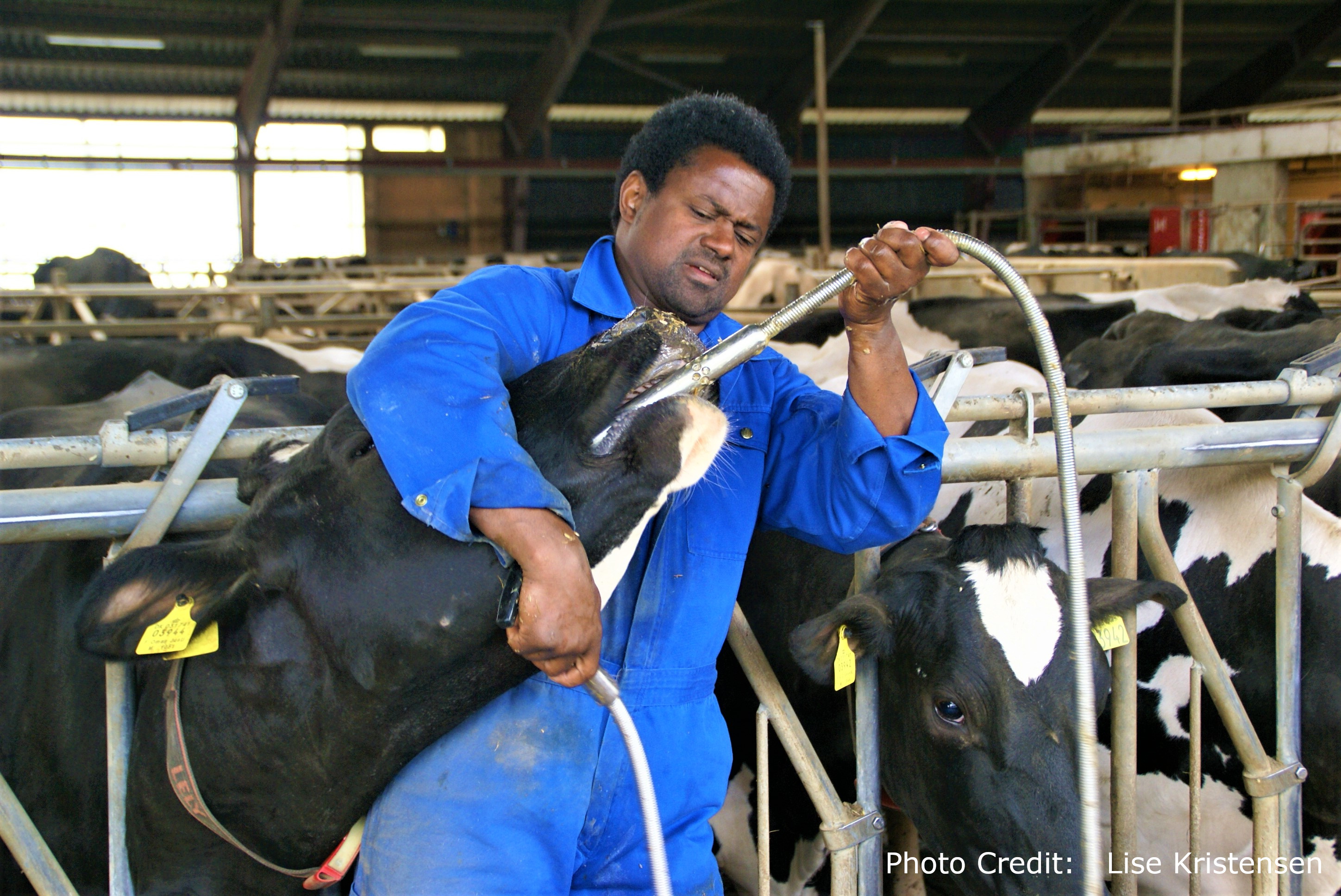
Research Focus

I record traits on populations of animals to unlock their genetic potential.
If a trait is too expensive, difficult or invasive to measure, I am interested
in developing cheaper, faster and less-invasive alternatives. I am a Professor
at the Norwegian University of Life Sciences (NMBU) and lead the Phenotype Forge.
Our research combines quantitative genetics, engineering and AI to transform
complex biological data streams into high-throughput phenotypes.

Research Interests

  • Digital phenotyping and phenomics
  • Quantitative genetics and genomic selection
  • AI and image analysis for animal breeding
  • Vibrational spectroscopy as high-throughput phenotypes
  • Feed efficiency and methane emissions
  • Microbiomics and host genetics
  • Sustainable livestock and aquaculture production

DigiFishent Project

Feed remains the highest production cost in Atlantic
Salmon, it is also responsible for more than 80% of the
carbon footprint. Despite shifts from largely fish based
feed ingredients to plant based ingredients. This has lead
to plummeting levels of EPA and DHA in Atlantic salmon,
the healthy Omega-3 fatty acids that make it desirable.
This provides an opportunity to reduce the carbon footprint
and increase profitability, through increasing feed efficiency.
Measuring feed efficiency is extremely challenging as individual
feed intake records are almost impossible to record. Using new
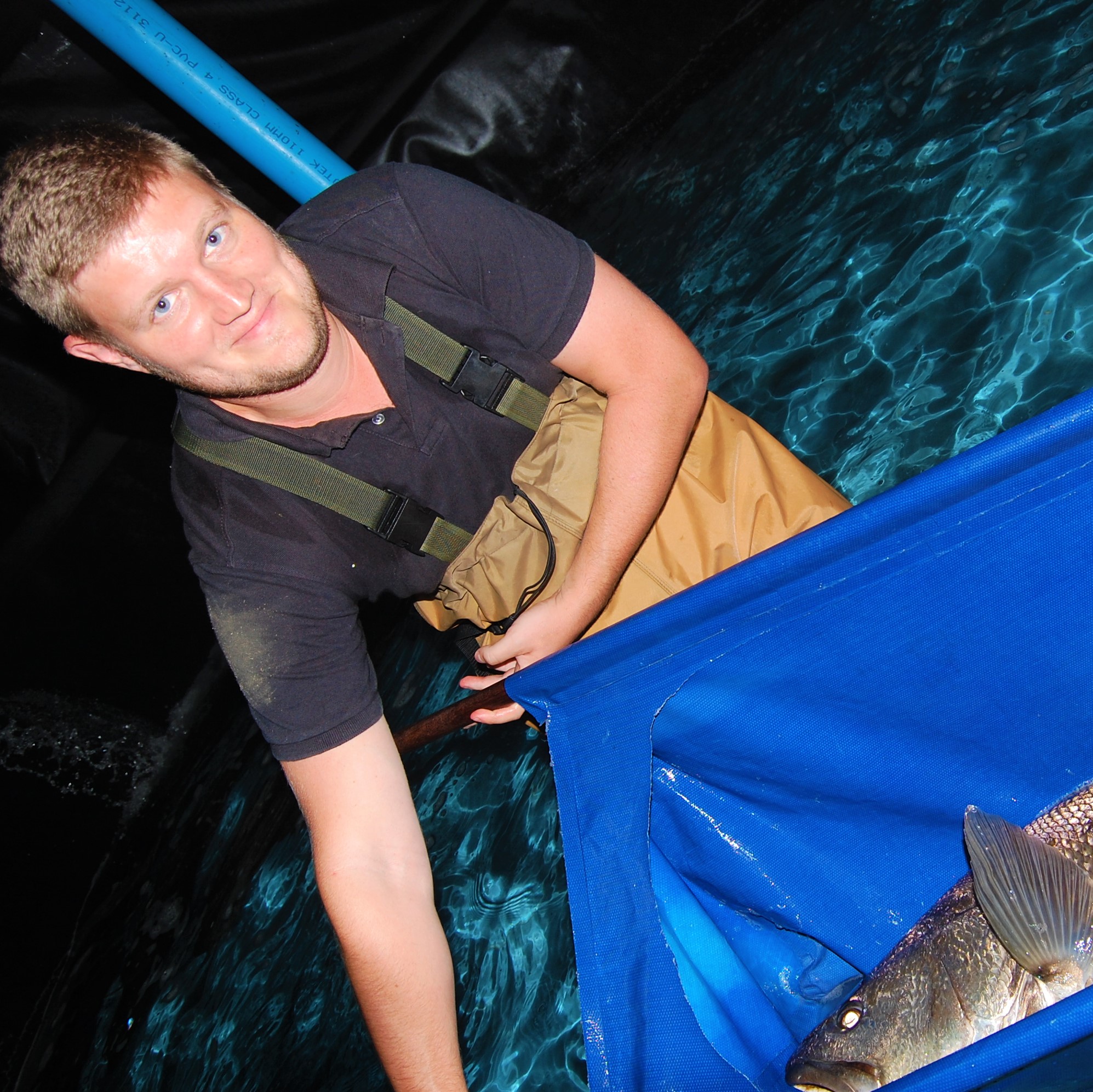
digital technologies we will record feed intake in Atlantic
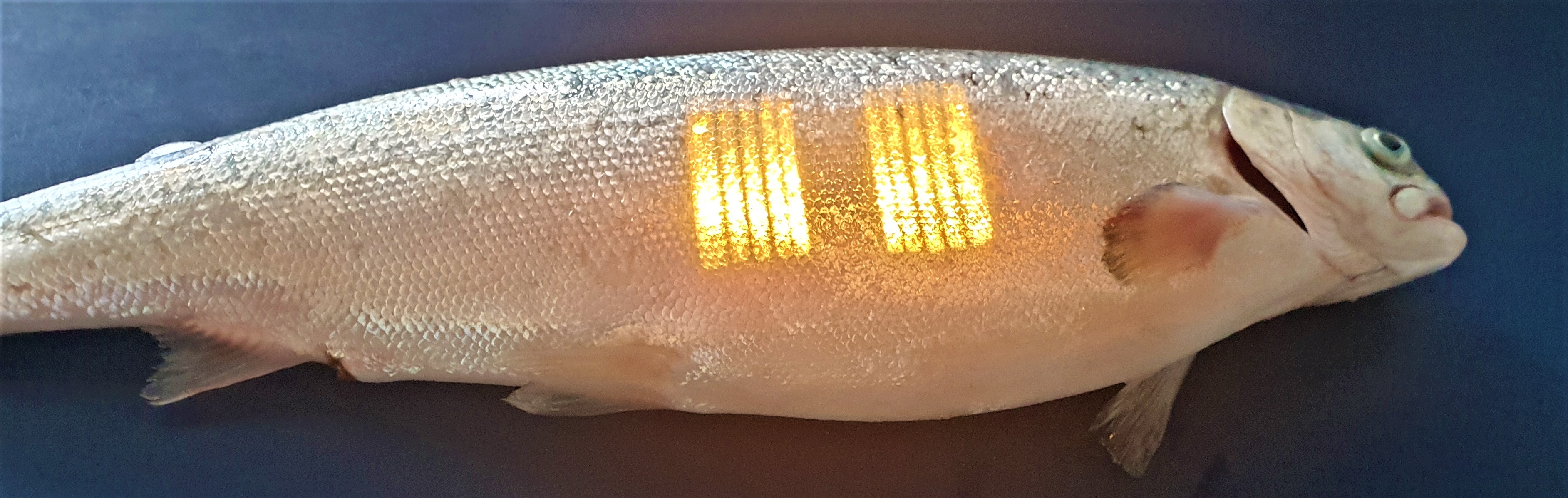
salmon. This will be coupled with Nofima's Raman spectroscopy
for recording Omega-3 fatty acids in the fish. This is a
Norwegian Research Council prestigious FriPro Young Talent project. In collaboration with Nofima & AquaGen

Vibrational Spectra as Phenotypes

In many applications we want to know more about the
composition of our samples inorder to breed for higher
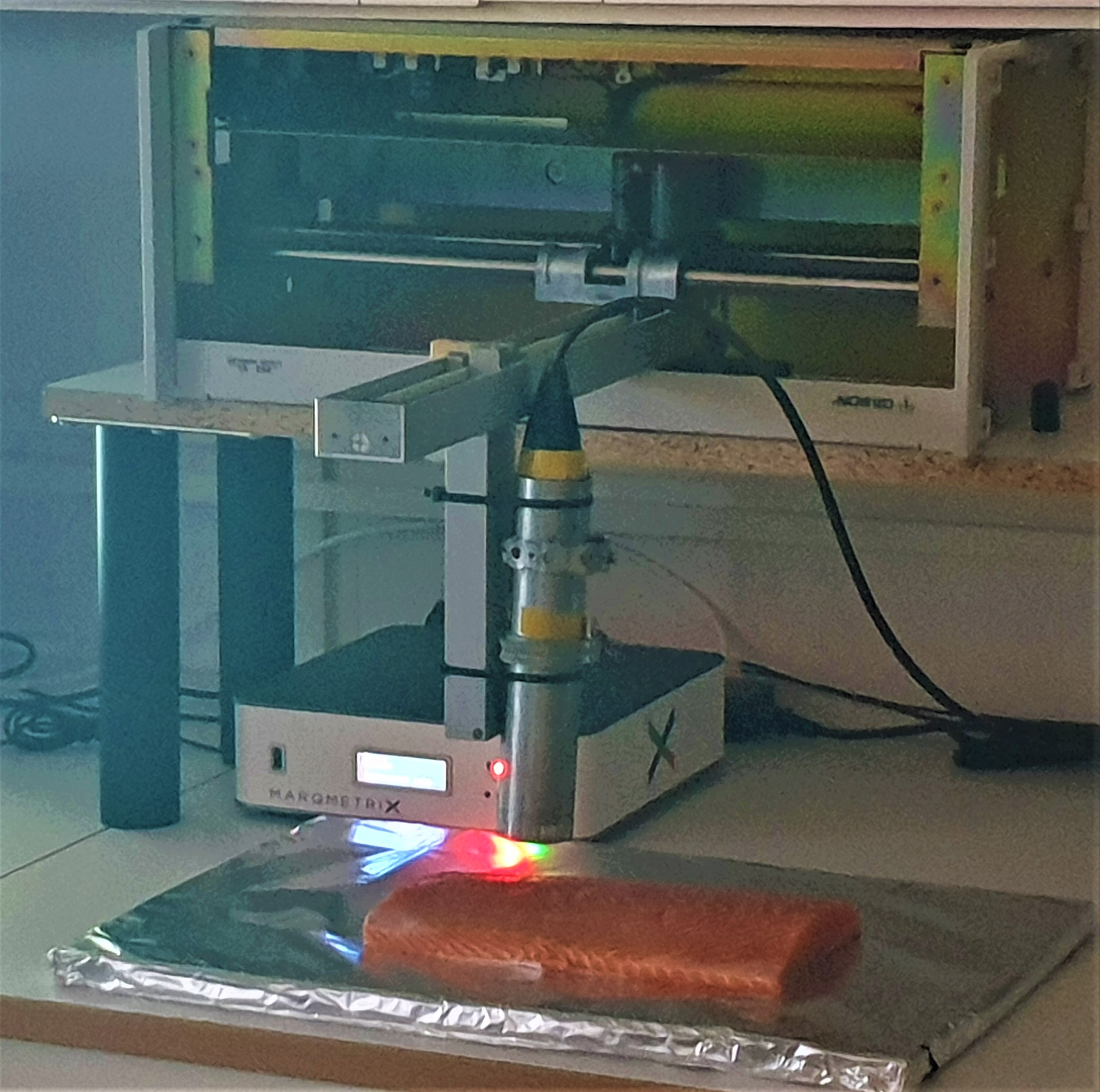
product quality or efficiency. Vibrational spectroscopy offers
a way to investigate chemical composition of complex biological
mixtures like meat and milk. When coupled with rapid delivery
methods such as robots or conveyor belts, this becomes a
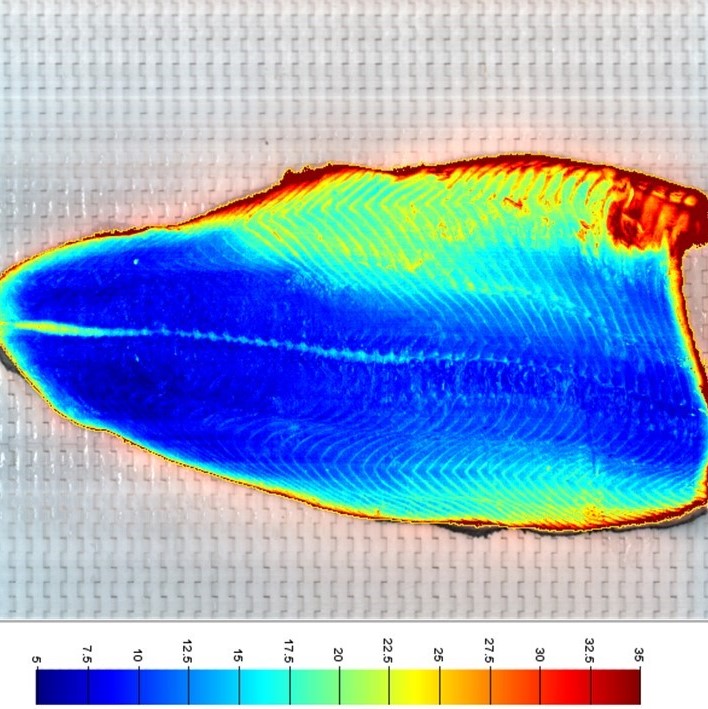
highthrough-put phenotyping method of choice. We have found
that Raman shifts & Near-Infrared spectra recorded on Atlantic
salmon fillets are significantly heritable & very good predicters
of total fat. Currently, we are pushing this frontier &
investigating detailed fatty acid composition.
In collaboration with materials and processing group of Nofima.
Read More about heritable spectra & Fatty acids

Microbiability & Heritability

Breakthroughs in sequencing technologies have opened up
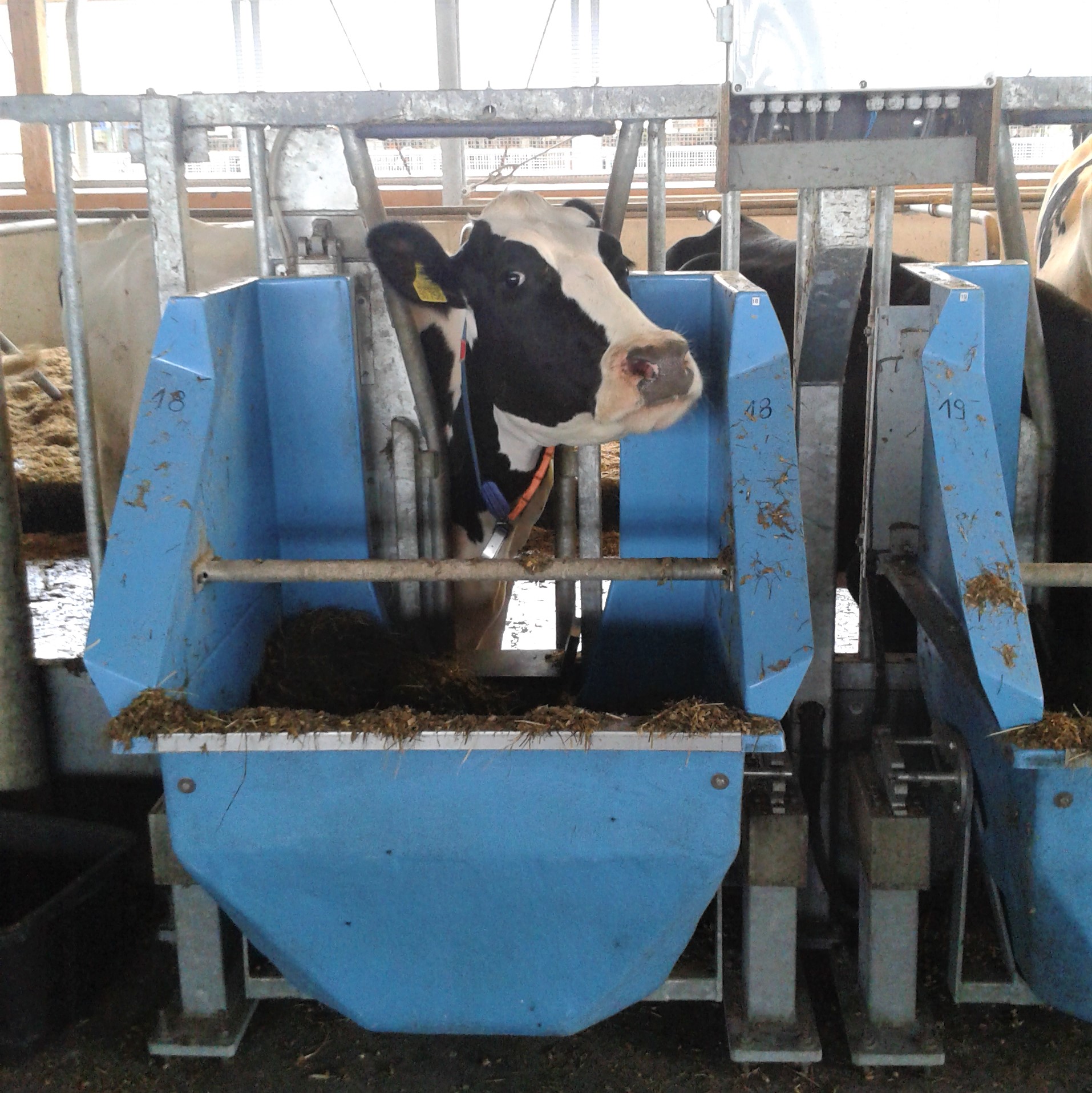
the world of microbiomics. Ruminants have the remarkable
ability to digest (human inedible) fibre is grasses and
crop residues. This ability is encoded for in the genomes
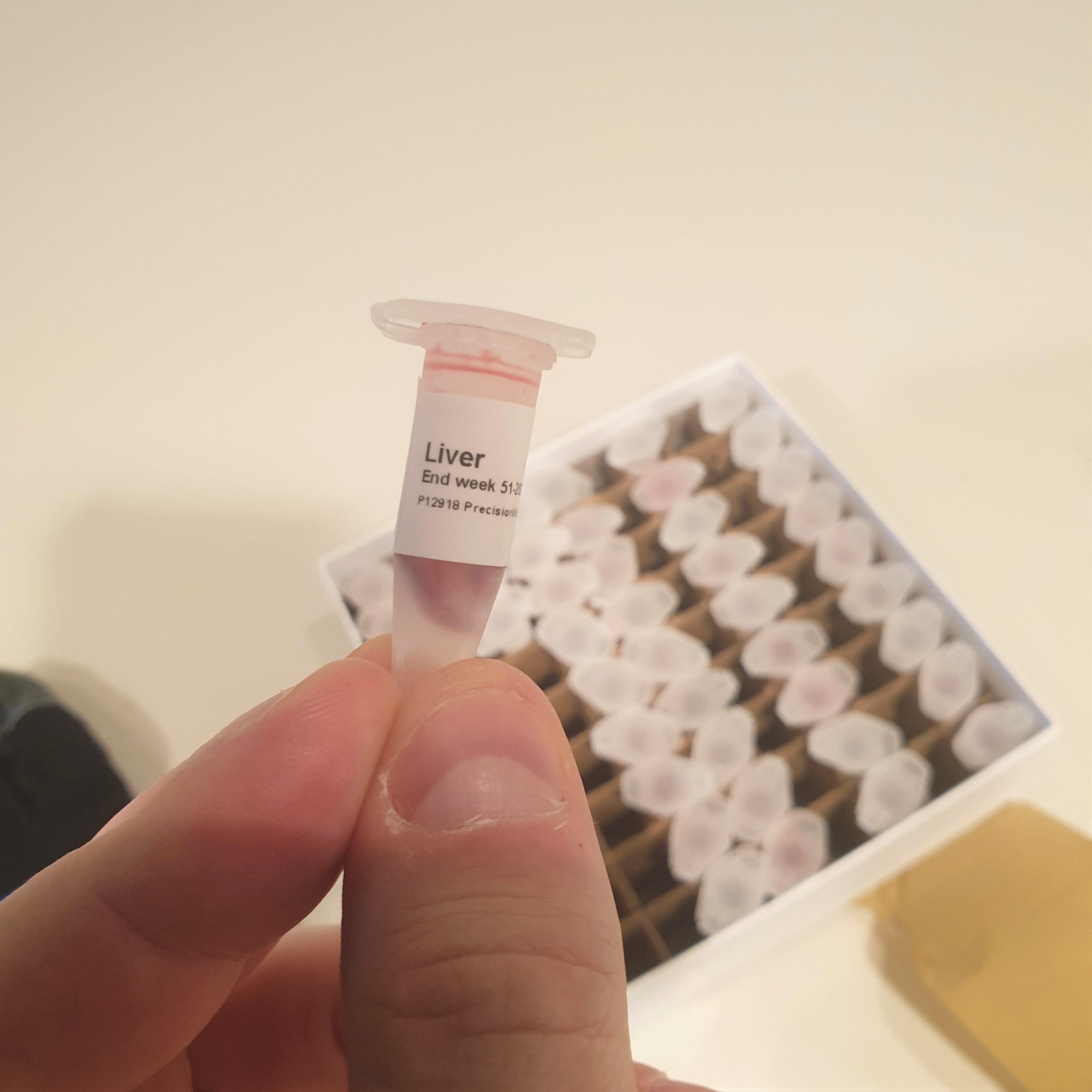
of their rumen microbiome. We have found that the relative
abundance of certain bacteria and archea is governed by a
significant proportion of the host cow's additive genetics.
Remarkably, the variation between cows for traits like
methane emissions, feed efficiency, ketosis and
milk fatty acids can all be explained partly by the rumen
microbial composition. We coined the term "Microbiability"
in analogy to heritability to explain this phenomena.
In collaboration with Aarhus University & Technical University of Denmark
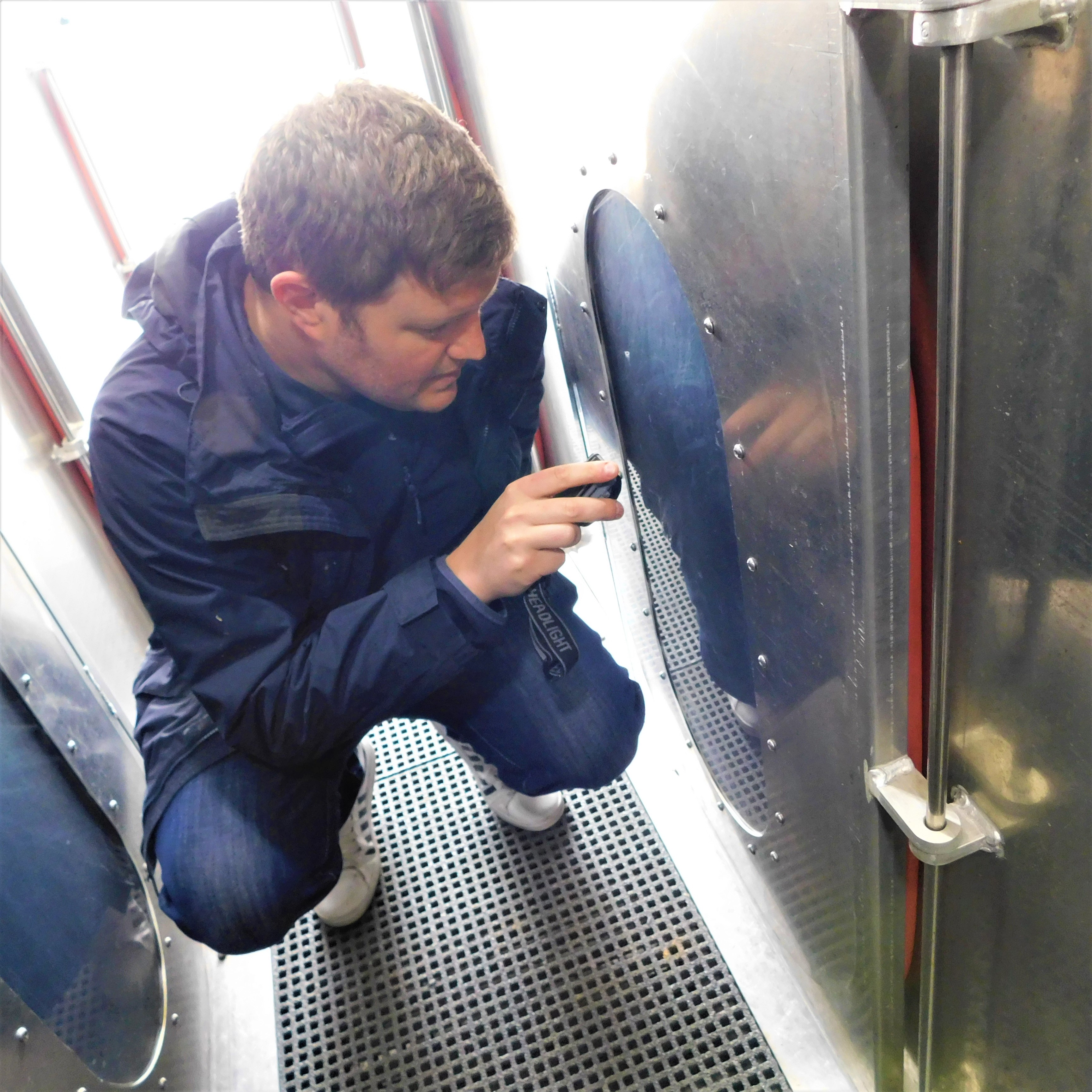
Microbiability & Methane Microbiability & milk fatty acids

Teaching

Course Responsible

HFA350 – From Phenotypes to Breeding Values (MSc)

I am course responsible for HFA350, a master's-level course in animal breeding and genetics. The course takes students from modern phenomics methods through quantitative genetic analyses, breeding value estimation, genomic selection and simulation. Working with real datasets from Norwegian breeding organisations, students develop practical solutions to contemporary breeding challenges while gaining experience with state-of-the-art analytical methods.

BIN250 – Quantitative Skills in BioScience (BSc)

I am course responsible for BIN250, where students develop practical quantitative and computational skills for modern bioscience. The course covers data management, R programming, experimental design, statistical analysis and AI-assisted programming, with an emphasis on analysing real biological datasets.

Guest Teaching

  • HFA200 – General Animal Breeding (BSc)
  • AQB250 – Sustainable Aquaculture – Breeding and Genetics (BSc)
  • HFA300 – Animal Breeding and Conservation Plans (MSc)
  • NOVA410 – Biological Consequences of Selection (PhD)
  • Training School in Experimental Design & Statistical Analysis of Biomedical and Bioscience Experiments, University of Bergen

News

  • 2026 – Promoted to Professor at the Norwegian University of Life Sciences (NMBU).
  • 2025 – Aqeel Ahmad successfully defended his PhD thesis on high-throughput digital phenotyping and quantitative genetics for feed efficiency in Atlantic salmon.
  • 2025 – Jisoo Park published her first first-author paper: Genetic and phenotypic validation of Raman-predicted fatty acids in Atlantic salmon: From grouped fatty acids to EPA and DHA.
  • 2024 – Aqeel Ahmad published his first first-author paper: Genetic and phenotypic validation of whole body fat content measured across production phases of Atlantic salmon using dielectric and near infrared interactance spectroscopy.
  • 2024 – Aqeel Ahmad was awarded an EAAP Young Scientist Scholarship to present his research at the EAAP Annual Meeting in Florence, Italy.
  • 2022 – Awarded a Research Council of Norway FRIPRO Young Research Talent grant for the DigiFishent project.

Publications

total #n=48, h-index 26, i10-index 36 (Google Scholar Profile)

Publications - The Omics

Title Link
Difford, G. F., Plichta, D. R., Løvendahl, P., Lassen, J., Noel, S. J., Højberg, O., ... & Guldbrandtsen, B. (2018). Host genetics and the rumen microbiome jointly associate with methane emissions in dairy cows. PLoS genetics, 14(10), e100750. Link
Difford, G.F., Haugen, J.E., Aslam, M.L., Johansen, L.H., Breiland, M.W., Hillestad, B., Baranski, M., Boison, S., Moghadam, H. and Jacq, C., 2022. Variation in volatile organic compounds in Atlantic salmon mucus is associated with resistance to salmon lice infection. Scientific Reports, 12(1), p.4839. Link
Zhu, Z., Difford, G.F., Noel, S.J., Lassen, J., Løvendahl, P. and Højberg, O., 2021. Stability assessment of the rumen bacterial and archaeal communities in dairy cows within a single lactation and its association with host phenotype. Frontiers in Microbiology, 12, p.636223. Link
Khaw, H.L., Gjerde, B., Boison, S.A., Hjelle, E. & Difford, G.F., 2021. Quantitative Genetics of Smoltification Status at the Time of Seawater Transfer in Atlantic Salmon (Salmo Salar). Frontiers in genetics, Link
Zhang, , Q., Difford, G., Sahana, G., Løvendahl, P., Lassen, J., Lund, M.S., Guldbrandtsen, B. and Janss, L., 2020. Bayesian modeling reveals host genetics associated with rumen microbiota jointly influence methane emission in dairy cows. The ISME journal, 14(8), pp.2019-2033. Link
Gebreyesus, G., Difford, G.F., Buitenhuis, B., Lassen, J., Noel, S.J., Højberg, O., Plichta, D.R., Zhu, Z., Poulsen, N.A., Sundekilde, U.K. and Løvendahl, P., 2020. Predictive ability of host genetics and rumen microbiome for subclinical ketosis. Journal of dairy science, 103(5), pp.4557-4569. Link
Buitenhuis, B., Lassen, J., Noel, S.J., Plichta, D.R., Sørensen, P., Difford, G.F. & Poulsen, N.A., 2019. Impact of the rumen microbiome on milk fatty acid composition of Holstein cattle. Genetics Selection Evolution, 51(1), pp.1-8 Link
Zhu, Z., Kristensen, L., Difford, G.F., Poulsen, M., Noel, S.J., Al-Soud, W.A., Sørensen, S.J., Lassen, J., Løvendahl, P. and Højberg, O., 2018. Changes in rumen bacterial and archaeal communities over the transition period in primiparous Holstein dairy cows. Journal of dairy science, 101(11), pp.9847-9862. Link
Difford, G.F., Løvendahl, P., Lassen, J., Guldbrandtsen, B. and Sahana, G., 2018. Microbiability–new insights into (genetic) modelling methane emissions of cattle. In Proc. of the World Congress on Genetics Applied to Livestock Production (Vol. 11, pp. 405-10). Link
Zhu, Z., Noel, S.J., Difford, G.F., Al-Soud, W.A., Brejnrod, A., Sørensen, S.J., Lassen, J., Løvendahl, P. and Højberg, O., 2017. Community structure of the metabolically active rumen bacterial and archaeal communities of dairy cows over the transition period. PLoS One, 12(11), p.e0187858.. Link

Publications- Sensors

Title Link
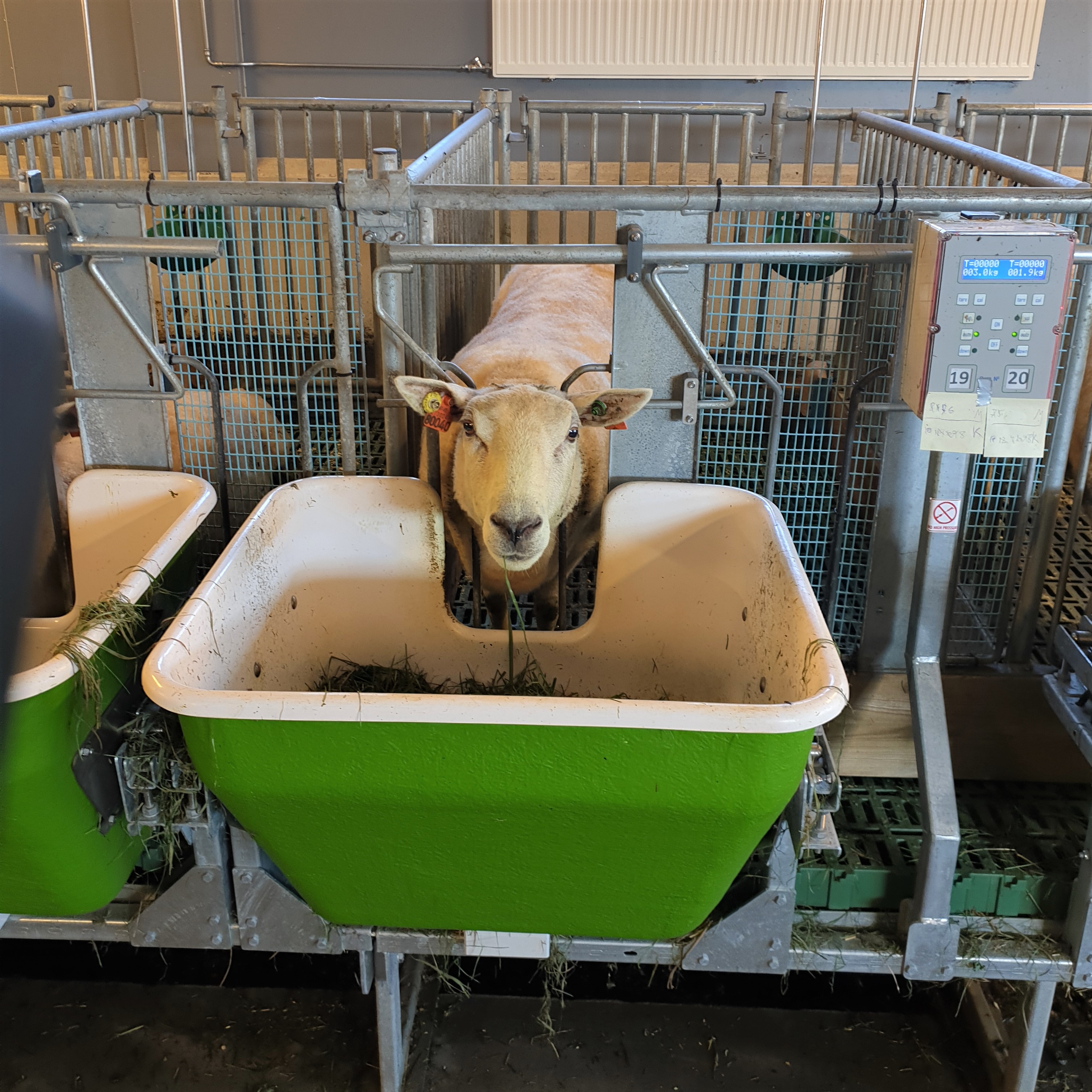
Difford, G.F., Jakobsen, J., Dønnem, I., Steinheim, G. and Åby, B.A., 2026. Predicting dry matter intake in gestating ewes using greenhouse gas measurements from portable accumulation chambers. Journal of Animal Science, skag158. Link
Løvendahl, Peter., Milkevych, Viktor., Nielsen, Rikke K., Bjerring, Martin., Manzanilla-Pech, Coralia., Johansen, Kresten., Difford, Gareth F. and Villumsen Trine M. (2023). A data-driven approach to the processing of sniffer-based gas emissions data from dairy cattle. Computers and Electronics in Agriculture, 227. Link
Levrault, Cécile M., Difford, G. F., Geir Steinheim, Peter WG Groot Koerkamp, and Nico WM Ogink (2023). Validation of the methane production measurement accuracy and ranking capacity of portable accumulation chambers for use with small ruminants. Biosystems Engineering, 236, 201-211. Link
Difford, G. F., Løvendahl, P., Veerkamp, R. F., Bovenhuis, H., Visker, M. H. P. W., Lassen, J., & De Haas, Y. (2020). Can greenhouse gases in breath be used to genetically improve feed efficiency of dairy cows? Journal of dairy science, 103(3), 2442-2459. Link
Difford, G. F., Lassen, J., & Løvendahl, P. (2016). Interchangeability between methane measurements in dairy cows assessed by comparing precision and agreement of two non-invasive infrared methods. Computers and Electronics in Agriculture, 124, 220-226. Link
Difford, G. F., Olijhoek, D. W., Hellwing, A. L. F., Lund, P., Bjerring, M. A., De Haas, Y., ... & Løvendahl, P. (2018). Ranking cows’ methane emissions under commercial conditions with sniffers versus respiration chambers. Acta Agriculturae Scandinavica, Section A—Animal Science, 68(1), 25-32. Link
Manzanilla-Pech, C.I.V., Gordo, D.M., Difford, G.F., Pryce, J.E., Schenkel, F., Wegmann, S., Miglior, F., Chud, T.C., Moate, P.J., Williams, S.R.O. and Richardson, C.M., 2021. Breeding for reduced methane emission and feed-efficient Holstein cows: An international response. Journal of Dairy Science, 104(8), pp.8983-9001. Link
Wethal, K. B., G. F. Difford, K. Winnberg, E. Norberg, and B. Heringstad. "Heritability of methane emission in Norwegian Red cows based on measures from GreenFeed in commercial herds." In Proceedings of 12th (WCGALP) pp. 176-178. Wageningen Academic Publishers, 2022. Link
Manzanilla-Pech, C.I.V., Difford, G.F., Løvendahl, P., Stephansen, R.B. and Lassen, J., 2022. Genetic (co-) variation of methane emissions, efficiency, and production traits in Danish Holstein cattle along and across lactations. Journal of Dairy Science, 105(12), pp.9799-9809. Link
Manzanilla-Pech, C.I.V., Difford, G.F., Sahana, G., Romé, H., Løvendahl, P. and Lassen, J., 2022. Genome-wide association study for methane emission traits in Danish Holstein cattle. Journal of Dairy Science, 105(2), pp.1357-1368. Link
Manzanilla-Pech, C.I.V., Gordo, D., Difford, G.F., Løvendahl, P. and Lassen, J., 2020. Multitrait genomic prediction of methane emissions in Danish Holstein cattle. Journal of dairy science, 103(10), pp.9195-9206. Link
Olijhoek, D.W., Difford, G.F., Lund, P. and Løvendahl, P., 2020. Phenotypic modeling of residual feed intake using physical activity and methane production as energy sinks. Journal of dairy science, 103(8), pp.6967-6981. Link
Difford, G.F., Boison, S.A., Khaw, H.L. and Gjerde, B., 2020. Validating non-invasive growth measurements on individual Atlantic salmon in sea cages using diode frames. Computers and Electronics in Agriculture, 173, p.105411. Link
Garnsworthy, P.C., Difford, G.F., Bell, M.J., Bayat, A.R., Huhtanen, P., Kuhla, B., Lassen, J., Peiren, N., Pszczola, M., Sorg, D. and Visker, M.H., 2019. Comparison of methods to measure methane for use in genetic evaluation of dairy cattle. Animals, 9(10), p.837. Link
Szalanski, M., Kristensen, T., Difford, G., Lassen, J., Buitenhuis, A.J., Pszczola, M. and Løvendahl, P., 2019. Enteric methane emission from Jersey cows during the spring transition from indoor feeding to grazing. Journal of dairy science, 102(7), pp.6319-6329. Link
Zetouni, L., Difford, G.F., Lassen, J., Byskov, M.V., Norberg, E. and Løvendahl, P., 2018. Is rumination time an indicator of methane production in dairy cows? Journal of dairy science, 101(12), pp.11074-11085. Link
Sorg, D., Difford, G.F., Mühlbach, S., Kuhla, B., Swalve, H.H., Lassen, J., Strabel, T. and Pszczola, M., 2018. Comparison of a laser methane detector with the GreenFeed and two breath analysers for on-farm measurements of methane emissions from dairy cows. Computers and electronics in agriculture, 153, pp.285-294. Link

Publications - Vibrational Spectra

Title Link
Park, J., Difford, G.F., Horn, S.S., Dagnachew, B., Moghadam, H.K., Hillestad, B. et al., 2025. Genetic and phenotypic validation of Raman-predicted fatty acids in Atlantic salmon: From grouped fatty acids to EPA and DHA. Aquaculture, 743578. Link
Ahmad, A., Gebreyesus, G., Wold, J.P., Sonesson, A.K., Berg, P. and Difford, G.F., 2025. High-throughput NIR-based phenotyping for genomic prediction of feed intake and production traits in Atlantic salmon. Aquaculture, 743006. Link
Ahmad, A., Wold, J.P., Sonesson, A.K., Hatlen, B., Dagnachew, B.S., Berg, P., Norris, A. and Difford, G.F. 2021. Genetic and phenotypic validation of whole body fat content measured across production phases of Atlantic salmon using dielectric and near infrared Interactance spectroscopy. Aquaculture, 596, 741747. Link
Shetty, N., Difford, G., Lassen, J., Løvendahl, P., & Buitenhuis, A. J. (2017). Predicting methane emissions of lactating Danish Holstein cows using Fourier transform mid-infrared spectroscopy of milk. Journal of dairy science, 100(11), 9052-9060. Link
Difford, G.F., Horn, S.S., Dankel, K.R., Ruyter, B., Dagnachew, B.S., Hillestad, B., Sonesson, A.K. and Afseth, N.K., 2021. The heritable landscape of near-infrared and Raman spectroscopic measurements to improve lipid content in Atlantic salmon fillets. Genetics Selection Evolution, 53, pp.1-11. Link
Afseth, N.K., Dankel, K., Andersen, P.V., Difford, G.F., Horn, S.S., Sonesson, A., Hillestad, B., Wold, J.P. and Tengstrand, E., 2022. Raman and near Infrared Spectroscopy for Quantification of Fatty Acids in Muscle Tissue—A Salmon Case Study. Foods, 11(7), p.962. Link
Horn, S.S., Aslam, M.L., Difford, G.F., Tsakoniti, K., Karapanagiotis, S., Gulzari, B., Bastiaansen, J.W.M., Penaloza, C., Houston, R., Ruyter, B. and Sonesson, A.K., 2022. Genetic parameters of fillet fatty acids and fat deposition in gilthead seabream (Sparus aurata) using the novel 30 k Medfish SNP array. Aquaculture, 556, p.738292. Link
Difford, G.F., Díaz-Gil, C., Sánchez-Moya, A., Aslam, M.L., Horn, S.S., Ruyter, B., Herlin, M., Lopez, M. and Sonesson, A.K., 2021. Genomic and Phenotypic Agreement Defines the Use of Microwave Dielectric Spectroscopy for Recording Muscle Lipid Content in European Seabass (Dicentrarchus labrax). Frontiers in Genetics, 12, p.671491. Link

Publications - Image Analysis

Title Link
Sonesson, A.K., Difford, G.F., Norris, A. and Hatlen, B., 2026. Phenotypic and genetic analysis of energy partitioning and feed efficiency in Atlantic salmon. Genetics Selection Evolution, 58(1), 26. Link
Ahmad, A., Sonesson, A.K., Berg, P. and Difford, G.F., 2025. Genome-wide association studies (GWAS) to identify key genomic regions and candidate genes associated with feed intake and efficiency in Atlantic salmon (Salmo salar). Aquaculture, 743540. Link
Ahmad, A., Sonesson, A.K., Hatlen, B., Bæverfjord, G., Berg, P., Norris, A. and Difford, G.F., 2025. Genetic analysis of individual feed intake and efficiency in Atlantic salmon smolts using X-ray imaging. Aquaculture, 608, 742715. Link
Difford, G.F., B. Hatlen, B. Gjerde, K. Heia, G. Baeverfjord, A. Norris, and A. K. Sonesson. 2024. Validation and genetic parameters of the X-ray method for phenotyping individual feed intake in Atlantic salmon. Aquaculture, 740738. Link
Lindberg, S.K., Durland, E., Heia, K., Noble, C., Alvestad, R. and Difford, G.F., 2023. Digital scoring of welfare traits in Atlantic salmon (Salmo salar L.)-a proof of concept study quantifying dorsal fin haemorrhaging via. Frontiers in Animal Science, 4, p.33. Link
Difford, G.F., Hatlen, B., Heia, K., Bæverfjord, G., Eckel, B., Gannestad, K.H., Romarheim, O.H., Lindberg, S.K., Norris, A.T., Sonesson, A.K. and Gjerde, B., 2023. Digital phenotyping of individual feed intake in Atlantic salmon (Salmo salar) with the X-ray method and image analysis. Frontiers in Animal Science, 4, p.28. Link

Publications - Reviews & Overviews

Title Link
Løvendahl, P., Difford, G. F., Li, B., Chagunda, M. G. G., Huhtanen, P., Lidauer, M. H., ... & Lund, P. (2018). Selecting for improved feed efficiency and reduced methane emissions in dairy cattle. animal, 12(s2), s336-s349. Link
Lassen, J. and Difford, G.F., 2020. Genetic and genomic selection as a methane mitigation strategy in dairy cattle. Animal, 14, pp.s473-s483. Link
Robinson, Nicholas A., Diego Robledo, Lene Sveen, Rose Ruiz Daniels, Aleksei Krasnov, Andrew Coates, Ye Hwa Jin et al. "Applying genetic technologies to combat infectious diseases in aquaculture." Reviews in Aquaculture 15, no. 2 (2023): 491-535. Link
Difford, G.F., Lindberg, S.K., Heia, K., Hatlen, B., Durland, E., Gjerde, B., Alvestad, R., Mota, V., Noble, C., Norris, A. and Boison, S., 2022, December. Digital phenotyping to improve Atlantic salmon feed efficiency and welfare. In Proceedings of 12th World Congress on Genetics Applied to Livestock Production (WCGALP) Technical and species orientated innovations in animal breeding, and contribution of genetics to solving societal challenges (pp. 569-572). Wageningen Academic Publishers. Link
Sonesson, A.K., Hatlen, B., Gjerde, B., Difford, G.F., Brunsvik, P., Meuwissen, T.H.E. and Norris, A., 2022, December. Genetic analysis of feed efficiency in Atlantic salmon. In Proceedings of 12th World Congress on Genetics Applied to Livestock Production (WCGALP) Technical and species orientated innovations in animal breeding, and contribution of genetics to solving societal challenges (pp. 284-287). Wageningen Academic Publishers. Link
"In the age of the genotype, phenotype is king" Professor Mike Coffey